
How to Plan a Corporate Event: A Complete Guide (2026)
14 Nov 2026Planning a corporate event is about much more than booking a venue and sending invitations. Without a clear strategy, even small oversights can lead to budget overruns, logistical issues, and a poor attendee experience.
Whether you're organising a conference, product launch, networking event, or company celebration, having a structured plan helps keep everything on track and ensures your event delivers real business value.
In this guide, we'll walk you through how to plan a corporate event step by step, from defining your objectives and budget to choosing the right venue, coordinating suppliers, and measuring success.
What Is a Corporate Event?
A corporate event is any event organised by a business to achieve a specific objective, whether that's strengthening employee engagement, building client relationships, generating leads, launching a product, or celebrating company milestones.
Not all corporate events are planned the same way. The size, audience, and purpose of your event will influence everything from your budget and venue to logistics, marketing, and success metrics. Before you start planning, it's important to understand what type of event you're organising and what it needs to accomplish.
Types of Corporate Events
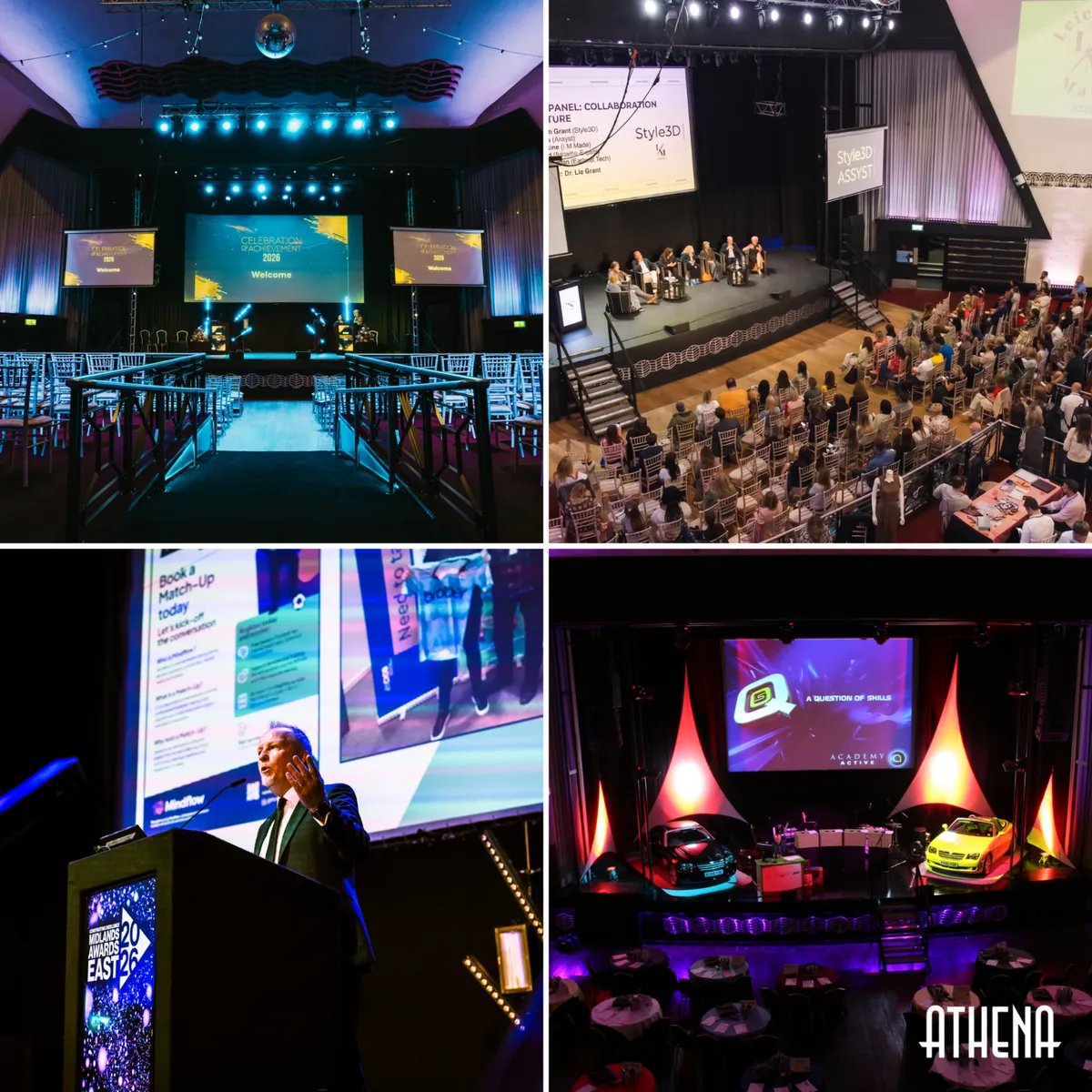
Corporate events come in many forms, each serving a different business goal. Some of the most common include:
- Conferences: Bring together industry professionals to share knowledge, network, and discuss trends.
- Seminars and workshops: Smaller educational events focused on learning and skill development.
- Product launches: Introduce a new product or service to customers, partners, or the media.
- Networking events: Help businesses build relationships with clients, prospects, and industry peers.
- Trade shows and exhibitions: Showcase products or services while generating leads and increasing brand visibility.
- Team-building events: Improve collaboration, morale, and company culture among employees.
- Company celebrations and award ceremonies: Recognise achievements, celebrate milestones, and strengthen employee engagement.
Small Internal Event or Large External One? Why It Changes Your Plan
The planning process varies significantly depending on who your event is for.
Internal events, such as team meetings, training sessions, or company celebrations, usually prioritise employee engagement, collaboration, and operational efficiency. They often require simpler logistics and smaller budgets.
External events, including conferences, client events, and product launches, demand a stronger focus on branding, attendee experience, marketing, registrations, sponsorships, and public perception. They're typically more complex and involve more stakeholders.
Identifying your event type early helps you allocate your budget effectively, choose the right venue, build a realistic timeline, and prioritise the activities that will have the biggest impact.
How Much Does a Corporate Event Cost?
There's no fixed price for a corporate event. Costs vary depending on the event type, number of attendees, venue, catering, technology, and entertainment. While a small internal meeting may cost a few hundred pounds, a large conference or product launch can run into tens or even hundreds of thousands.
The key is to build a realistic budget early and account for both expected and unexpected expenses.
Corporate Event Budget Breakdown by Category
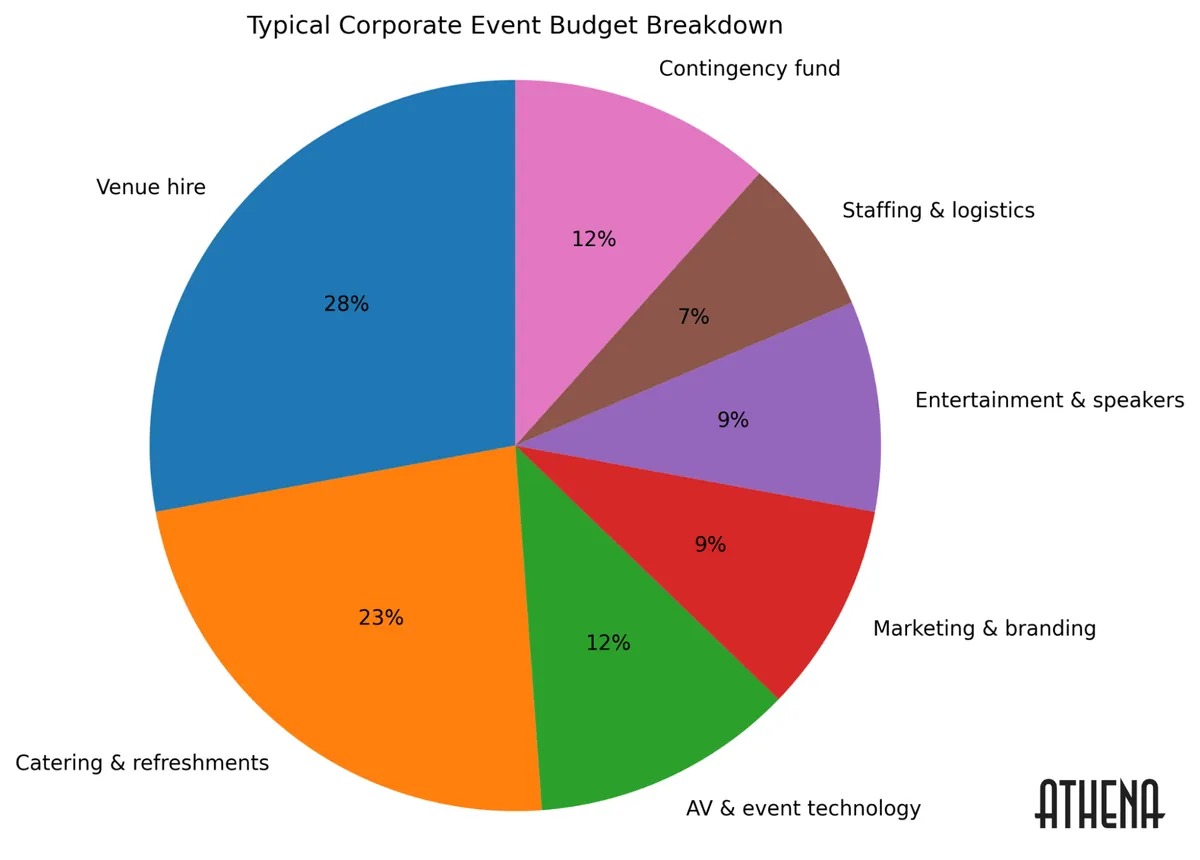
Most corporate event budgets include the following:
| Budget Category | Typical Share |
|---|---|
| Venue hire | 25-35% |
| Catering & refreshments | 20-30% |
| AV & event technology | 10-15% |
| Marketing & branding | 5-15% |
| Entertainment & speakers | 5-15% |
| Staffing & logistics | 5-10% |
| Contingency fund | 10-15% |
Hidden Costs That Blow Budgets
Many corporate events exceed their budgets not because of major expenses, but because smaller, often overlooked costs add up quickly. Factoring these into your budget from the start can help prevent last-minute surprises and unnecessary overspending.
Common hidden costs include:
- Service charges and VAT that aren't included in initial venue or supplier quotes.
- Last-minute equipment hire, such as microphones, staging, lighting, or additional AV equipment.
- Overtime staffing costs if the event runs longer than planned.
- Delivery, setup, and breakdown fees for furniture, décor, and hired equipment.
- Event insurance, permits, and licences, where required.
- Printing and signage, including name badges, banners, programmes, and directional signage.
- Contingency expenses for unexpected changes, cancellations, or emergency purchases.
A good rule of thumb is to reserve 10-15% of your total budget as a contingency fund. This provides a financial buffer for unforeseen expenses without disrupting the rest of your event plan.
How to Choose a Corporate Event Venue
Your venue sets the tone for the entire event. It influences the attendee experience, logistics, budget, and even how your brand is perceived. The right venue should do more than look impressive; it should support your event objectives and make it easy for guests to attend and participate.
Before signing a contract, consider capacity, location, facilities, accessibility, and the services included. A little extra research upfront can save significant time, money, and stress later.
How Many People Should Your Venue Hold?
Start with your expected attendance rather than your guest list. Not everyone invited will attend, so use realistic registration estimates when choosing a venue.
Your venue should:
- Comfortably accommodate all attendees without feeling overcrowded.
- Provide enough space for networking, catering, exhibitions, or breakout sessions.
- Match your event format, whether it's theatre-style seating, classroom layouts, cabaret tables, or standing receptions.
- Leave room for AV equipment, staging, registration desks, and branded displays.
A venue that's too small feels cramped, while one that's too large can reduce energy and make the event feel poorly attended.
Location and Accessibility Checklist
A convenient location can significantly improve attendance and the overall guest experience. Choose a venue that's easy to reach for the majority of your audience.
Use this checklist when comparing venues:
- Close to public transport links and major roads.
- Sufficient on-site or nearby parking.
- Accessible for guests with disabilities.
- Nearby accommodation for out-of-town attendees.
- Reliable Wi-Fi and mobile signal.
- Suitable catering facilities and dietary options.
- Adequate breakout rooms, meeting spaces, and restrooms.
- Safe, well-maintained surroundings with clear signage.
The easier your venue is to access, the smoother your event will run from the moment guests arrive.
Questions to Ask a Venue Before Booking
Before confirming your booking, ask these key questions:
- What's included in the venue hire price?
- Are there any additional charges or hidden fees?
- What AV equipment and technical support are available?
- Is catering provided in-house, or can external suppliers be used?
- What are the setup and breakdown times?
- What's the cancellation or rescheduling policy?
- Is there a minimum guest or catering spend?
- Is the venue fully accessible for all attendees?
- Is high-speed Wi-Fi included, and can it support your expected attendance?
- Are there restrictions on décor, branding, entertainment, or suppliers?
- Is on-site parking available, and what are the nearby transport options?
- Who will be your point of contact on the day of the event?
Getting clear answers before booking helps you compare venues fairly, avoid unexpected costs, and choose a space that supports a successful event.
Corporate Event Planning Timeline: What to Do and When
A well-planned timeline is the difference between a smooth event and a stressful one. By spreading tasks across the planning process, you'll have enough time to secure the best venues and suppliers, manage registrations, and resolve any issues before they become problems.
6-12 Months Before the Event
This is where the foundations are laid. Start by defining your event objectives, setting a realistic budget, and confirming the date. Once these are in place, secure your venue and key suppliers, as popular locations and vendors are often booked months in advance.
It's also the right time to identify speakers, sponsors, or entertainment, build your planning team, and create a detailed project timeline with clear responsibilities.
6-8 Weeks Before the Event
As the event approaches, your focus shifts from planning to coordination. Invitations should be sent, registrations actively monitored, and the event agenda finalised.
Now is also the time to confirm catering, AV requirements, branded materials, and supplier bookings. If you're hosting a public or client-facing event, continue promoting it through email, social media, and other marketing channels to maximise attendance.
Final Week Checklist Before the Event
The final week is all about confirming the details rather than making major decisions. Reconfirm attendee numbers with the venue, check in with suppliers, test all presentation equipment, and ensure signage, name badges, and event materials are ready.
Before the event day, make sure your team understands their responsibilities and has access to the latest schedule. It's also worth preparing a simple contingency plan so you're ready to handle any last-minute changes without disrupting the attendee experience.
Corporate Event Catering: What to Know
Food and drink play a bigger role than simply keeping guests refreshed. Good catering improves the attendee experience, encourages networking, and reflects the professionalism of your event. The right catering choice should suit your audience, event format, and schedule while accommodating a range of dietary needs.

How to Handle Dietary Requirements at Corporate Events
Dietary requirements should never be an afterthought. Ask attendees about allergies, intolerances, and dietary preferences during registration so you can plan with your caterer.
Be sure to provide clearly labelled food, offer a variety of vegetarian, vegan, gluten-free, and allergen-friendly options, and have staff available to answer questions where needed. Taking these simple steps ensures every guest feels welcome and included.
Formal Sit-Down vs Informal Buffet: Which to Choose
The best catering style depends on your event's objectives and atmosphere.
A formal sit-down meal is ideal for award ceremonies, executive dinners, and premium client events where creating a polished experience is the priority. It offers a structured schedule but is typically more expensive and less flexible.
An informal buffet works well for conferences, networking events, and team gatherings. It gives guests more choice, encourages conversation, and is generally easier to manage for larger groups.
Welcome Touches That Improve Guest Experience
Small details can leave a lasting impression from the moment guests arrive. Consider offering:
- A welcome tea, coffee, or drinks station.
- Light refreshments during registration.
- Clearly signposted refreshment areas.
- Scheduled coffee breaks for networking.
- A small takeaway gift or branded snack at the end of the event.
These thoughtful touches create a more welcoming atmosphere and contribute to a memorable attendee experience.
AV and Tech Requirements for Corporate Events
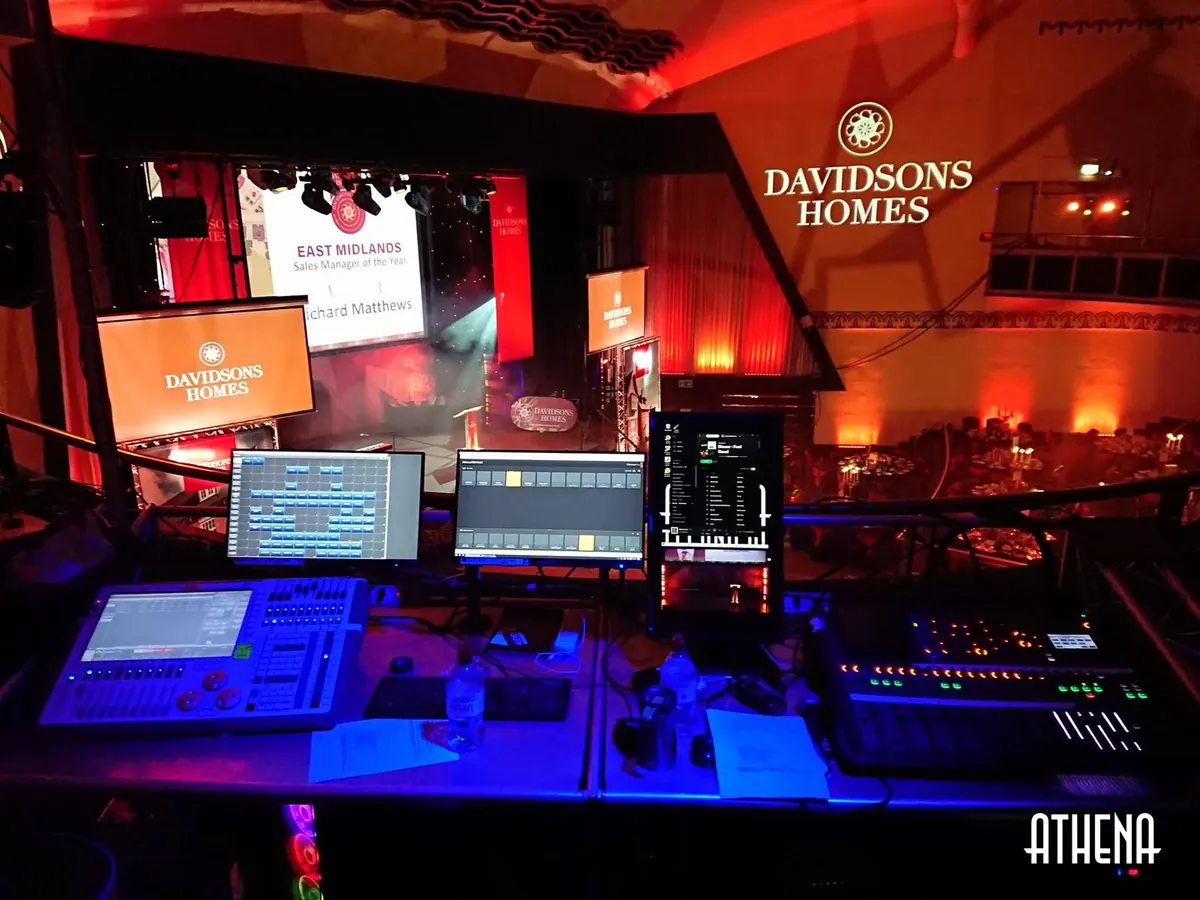
Even the best-planned event can be undermined by poor audio, unreliable internet, or technical failures. Whether you're hosting a small meeting or a large conference, investing in the right technology ensures your presentations run smoothly and your attendees stay engaged.
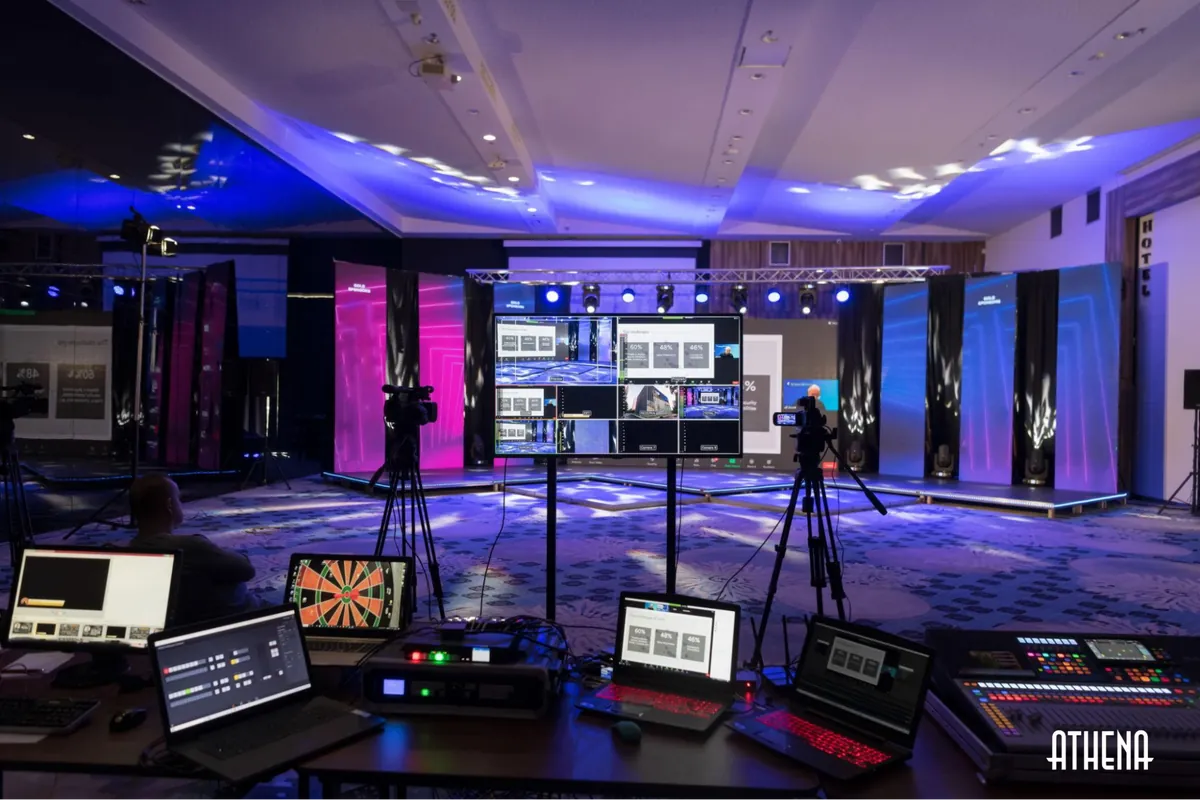
Essential AV Equipment Checklist
The equipment you'll need depends on your event format and venue, but most corporate events require:
- Microphones (handheld, lapel, or podium)
- Speakers and sound system
- Projectors or LED displays
- Presentation clickers and laptops
- Stage lighting
- High-speed Wi-Fi
- Video conferencing or streaming equipment (if applicable)
- Extension cables, adapters, and backup power
Always test your equipment before the event and have spare cables or devices available where possible.
When to Hire a Specialist AV Provider
For smaller meetings, the venue's in-house equipment may be enough. However, larger events with multiple speakers, live presentations, or hybrid audiences often benefit from a dedicated AV provider.
A specialist can manage setup, operate equipment throughout the event, troubleshoot technical issues, and ensure seamless transitions between speakers and sessions, allowing your team to focus on delivering a great experience.
How to Plan a Hybrid or Livestreamed Event
Hybrid events allow attendees to participate both in person and online, expanding your reach beyond the venue. However, they also require additional planning to ensure both audiences have a high-quality experience.
Choose a reliable streaming platform, test your internet connection well in advance, and use professional cameras and microphones for clear audio and video. Assign someone to monitor the livestream, manage virtual questions, and resolve technical issues so remote attendees remain just as engaged as those in the room.
Corporate Event Day Logistics Checklist
Event day is when all your planning comes together. Strong logistics keep everything running on schedule, minimise disruptions, and ensure attendees have a seamless experience from arrival to departure. The key is to stay organised, communicate clearly, and prepare for the unexpected.
How to Manage Registration and Check-In
First impressions matter. A smooth check-in process reduces queues, helps guests feel welcome, and sets a positive tone for the rest of the event.
To speed up registration, prepare attendee lists and name badges in advance, clearly signpost the registration area, and ensure staff are available to answer questions. For larger events, consider using QR codes or digital check-in systems to minimise waiting times.
Staffing Ratios for Corporate Events
Having the right number of staff is just as important as having the right venue. Too few people can lead to delays and poor guest support, while too many can unnecessarily increase costs.
While requirements vary by event, these general guidelines work well:
- 1 staff member per 25-50 attendees for registration and guest support.
- 1 event manager to oversee operations and coordinate suppliers.
- Dedicated AV technicians, security, or catering staff were required.
Assign clear responsibilities before the event so everyone knows who is handling registration, speaker support, logistics, and any unexpected issues.
How to Build a Running Order That Stays on Time
A detailed running order keeps your event on schedule and ensures everyone is working from the same plan. It should include session timings, speaker arrivals, catering breaks, AV cues, and key contact details.
Build in short buffer periods between major sessions to account for delays, and share the final schedule with all staff, suppliers, and speakers before the event begins. Having one person responsible for monitoring the schedule throughout the day will help keep everything running smoothly without disrupting the attendee experience.
Common Corporate Event Planning Mistakes to Avoid
Even the best corporate events can be derailed by small oversights. Fortunately, most of these mistakes are preventable with careful planning and attention to detail.
1. Booking a venue before defining your event goals
Your venue should support your event, not dictate it. Booking too early often results in a space that's the wrong size, lacks the right facilities, or doesn't suit your audience. Define your objectives, attendee numbers, and event format first so you can choose a venue that fits your requirements.
2. Underestimating setup and breakdown time
One of the biggest planning mistakes is assuming suppliers can set everything up in an hour or two. Staging, AV, furniture, signage, catering, and registration areas all take time to install and test. Build a realistic setup and breakdown windows into your schedule, and confirm venue access times well in advance.
3. Leaving accessibility as an afterthought
Accessibility extends beyond wheelchair access. Guests may require step-free routes, hearing assistance, accessible parking, dietary accommodations, or clear wayfinding. Considering these requirements during the planning stage creates a more inclusive experience and avoids last-minute adjustments.
4. Poor communication between vendors
Caterers, AV providers, photographers, decorators, and venue staff all rely on accurate information. If one supplier is working from an outdated schedule, it can create delays for everyone else. Sharing a single event timeline, key contacts, and delivery schedule helps keep every vendor aligned.
5. Not planning for registration queues
Registration is your attendees' first experience of the event. Long queues and slow check-ins can quickly create frustration and put the day's schedule behind. Preparing badges in advance, using digital check-in where appropriate, and assigning enough staff keep arrivals running smoothly.
6. Skipping technical rehearsals
Assuming presentations, microphones, projectors, and internet connections will work perfectly on the day is a costly gamble. Testing all equipment beforehand gives you time to identify issues, replace faulty equipment, and ensure speakers are comfortable with the setup.
7. Having no contingency plan
Last-minute changes are almost inevitable. A speaker may cancel, equipment can fail, or bad weather may affect travel. Setting aside a contingency budget, identifying backup suppliers, and preparing alternative plans allow you to respond quickly without disrupting the attendee experience.
Most corporate event challenges can be traced back to planning rather than execution. By anticipating these common mistakes early, you'll reduce risk, stay in control, and deliver a more professional event from start to finish.
Conclusion
Planning a successful corporate event takes more than a great idea. It requires clear objectives, careful budgeting, the right venue, reliable suppliers, and meticulous coordination to create an experience that delivers real business value.
If you're planning a corporate event in the UK, you don't have to do it alone.
At Athena, we've been delivering exceptional corporate events for over 21 years, helping businesses create memorable experiences that engage attendees and achieve their goals.
Whether you're organising a conference, product launch, awards ceremony, or company celebration, our experienced team is here to help at every stage of the planning process.
Talk to our team today and let's create a corporate event your guests will remember!