
Conference Venue Checklist: 15 Things to Look For
14 Nov 2026Choosing the right conference venue can directly affect how smoothly your event runs. Beyond the look and location, consider practical details such as capacity, seating arrangements, AV facilities, accessibility, catering, parking, and on-site support.
It’s easy to overlook some of these details when you’re focused on finding a venue that fits your initial requirements. However, checking the right factors beforehand can help you avoid last-minute issues and create a better experience for both organisers and attendees.
In this blog, we’ll list the 15 most important things you should look for before booking a conference venue.
Why Venue Choice Makes or Breaks Your Conference
A conference venue affects far more than where your event takes place. When the space doesn’t work for the programme, the problems can quickly become visible to everyone involved.
- For attendees: Overcrowding, poor room layouts, or difficult access can affect their overall experience and feedback.
- For sponsors: A venue that limits networking, branding, or audience engagement can influence their decision to return.
- For organisers: Technical limitations, inflexible spaces, or logistical issues can make an already complex event harder to manage.
- For future events: A poor experience can affect whether delegates and sponsors choose to come back next year.
The challenge is that these problems are often locked in weeks before the conference, when the venue contract has been signed and making changes can be costly or impractical. A venue can look ideal during a site visit but reveal important limitations once you consider how the space will actually be used.
That’s why it’s worth assessing the venue beyond its appearance and headline capacity. Before you commit, here are 15 key things to check.
15 Things to Check Before Booking Your Conference Venue
To make your venue selection easier, here are 15 important things to check before booking:
1. Location & Transport Links
Location can directly affect attendance, punctuality, and the overall convenience of your conference. Look for a venue that is well connected to a major train station or airport, particularly if delegates are travelling from different regions or internationally. Also consider the typical drive time from the city centre and whether the venue is easy to reach by car or public transport.
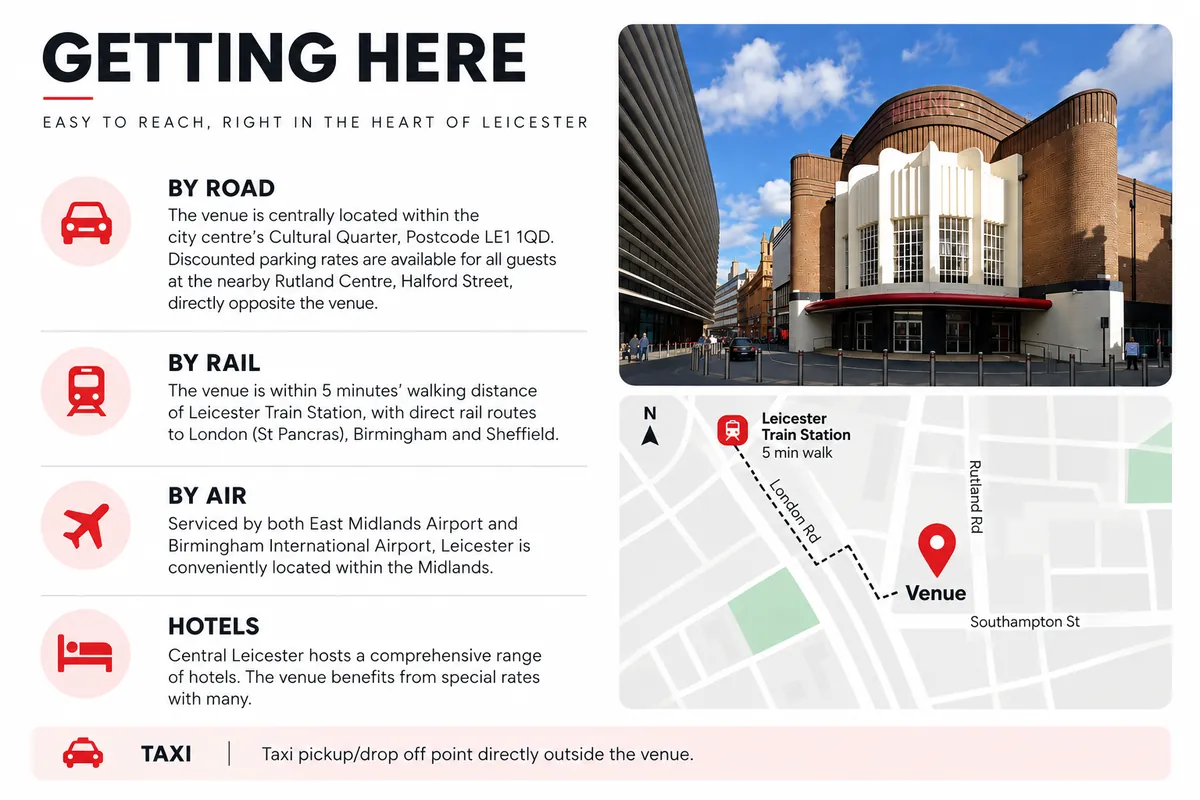
Before booking, ask the venue about practical details such as:
- How long does it take to reach the venue from the nearest major station or airport?
- What are the last train or public transport services after the event?
- Are taxis readily available at the end of an evening event?
- Which hotels are within walking distance?
2. Parking Availability & Cost
Parking can be a practical concern, particularly for conferences with a large number of driving delegates. Check whether the venue has on-site parking or relies on nearby car parks, and confirm how many spaces are actually available compared with your expected attendance.
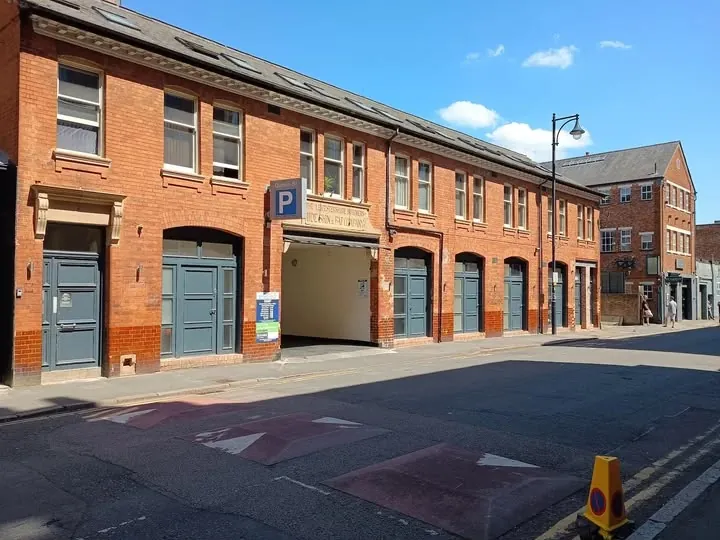
Don’t rely on phrases such as “ample parking.” Ask for the exact number of spaces, whether they can be reserved, and whether parking is included in the venue hire or charged separately per car. If off-site parking is the only option, check its distance, availability, and cost before booking.
3. Accessibility for Disabilities
Accessibility should be treated as a legal and reputational consideration, not simply an added convenience. A venue needs to work for every delegate, including those with mobility, hearing, or other accessibility requirements.
Before booking, confirm whether the venue provides:
- Step-free access to entrances and key event spaces
- Lifts between different floors where required
- Accessible toilets that are easy to reach
- Hearing loop systems or other assistive listening facilities
- Staff who have received disability awareness training

Accessibility gaps can easily surface only when a delegate arrives, when there is little opportunity to fix them properly. Ask venue-specific questions, verify the arrangements during your site visit, and make sure any important requirements are confirmed before signing the contract. The rule is simple: ask before you sign, not on the day.
4. Room Capacity (Max vs Comfortable)
A venue’s advertised capacity doesn’t always mean the space will be comfortable for your delegates. The maximum figure may be based on tightly packed theatre-style seating, with limited room for staging, AV equipment, catering stations, or walkways.
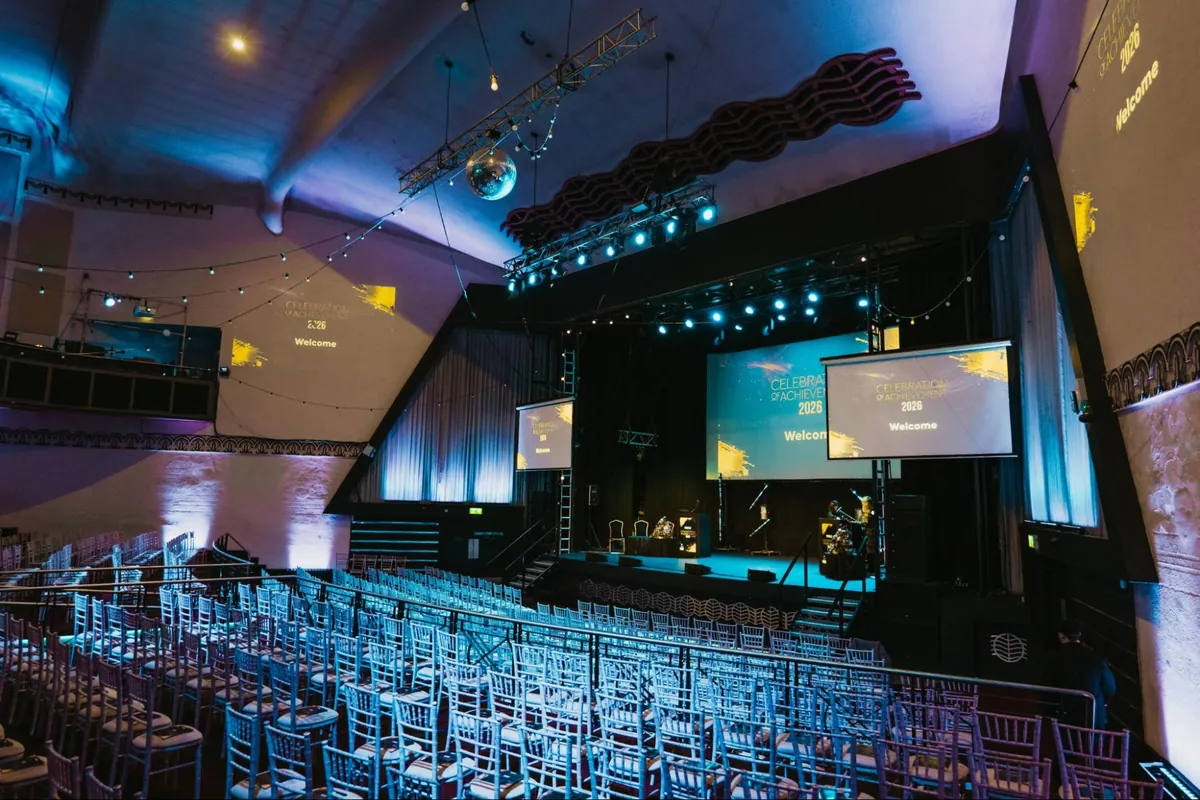
For conferences, comfortable capacity is often more useful. Delegates need enough space to move around, access equipment, network during breaks, and remain comfortable throughout the day.
Ask the venue for capacity figures by layout, rather than relying on one headline number, such as:
- Theatre-style
- Classroom-style
- Cabaret or banquet-style
- Boardroom or U-shaped
Also check whether these figures account for staging, screens, technical equipment, and circulation space. This gives you a more realistic idea of how many people the room can actually accommodate.
5. Layout Flexibility (Theatre, Boardroom, Banquet)
A conference rarely uses one room setup throughout the day. You may need theatre-style seating for keynotes, boardroom or cabaret layouts for smaller breakouts, and a standing reception setup for networking drinks.
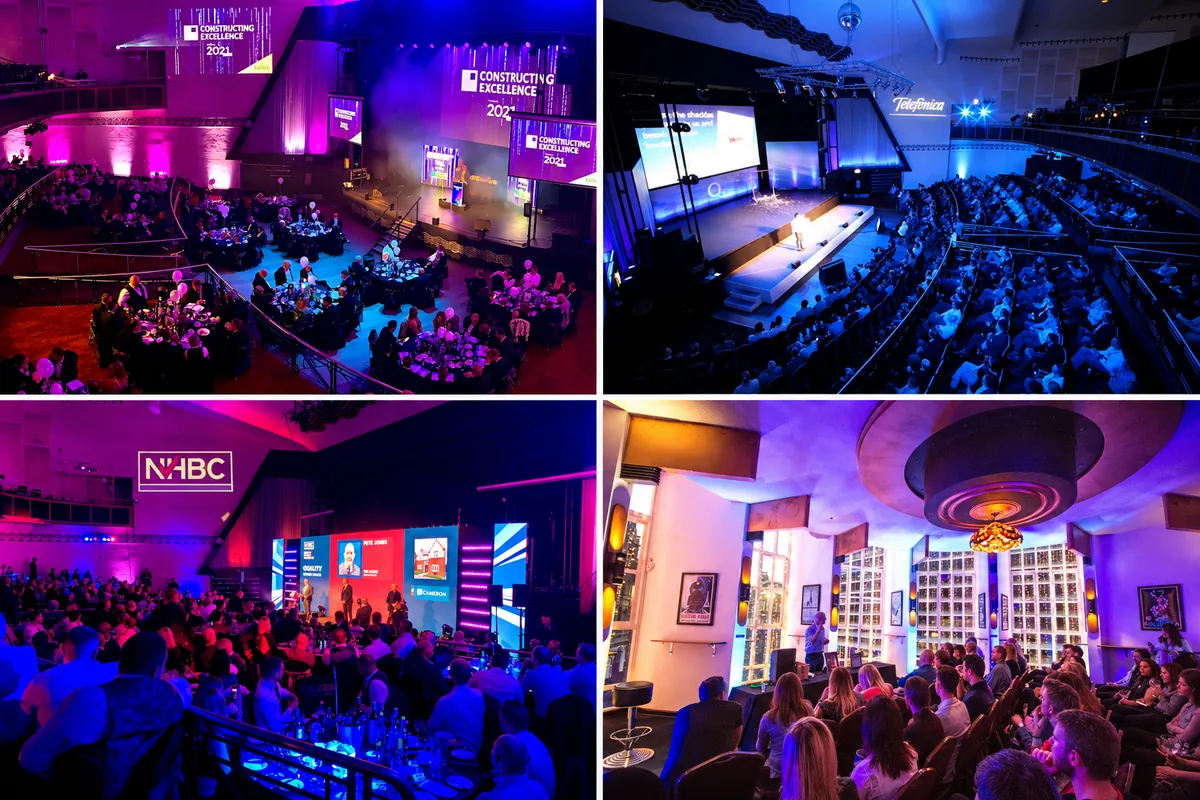
The key is finding out how easily the venue can switch between these formats without disrupting your schedule. Ask:
- Which layouts can the room accommodate?
- How long does it take to reset the space between setups?
- Does the venue’s team handle the changeover?
- Is there an additional cost for each room turnaround?
A layout change that takes an hour can cut into your programme, while additional staffing or setup charges can increase the budget. Understanding the time and cost of each turnaround before booking helps you plan the day more realistically.
6. Breakout Rooms for Parallel Sessions
If your conference includes workshops, panels, or parallel sessions, breakout rooms need to be planned alongside the main hall. Check how many rooms are available, their capacity, and how close they are to the main event space. Long walks between rooms can eat into session time and make transitions harder to manage.
Also check the practical details that can affect the sessions:
- Soundproofing: Can conversations or presentations from nearby rooms be heard?
- AV setup: Does each room have its own screen, microphones, speakers, and other essentials?
- Equipment sharing: If AV equipment is shared, how quickly can it be moved between rooms?
Ideally, delegates should be able to move between sessions quickly without compromising the quality of each breakout.
7. AV Equipment & Technical Support
Technical issues can disrupt a conference within seconds, so AV should be checked in detail before booking. Don’t assume that a venue advertising “AV included” provides everything you need. What’s included can vary significantly between venues.
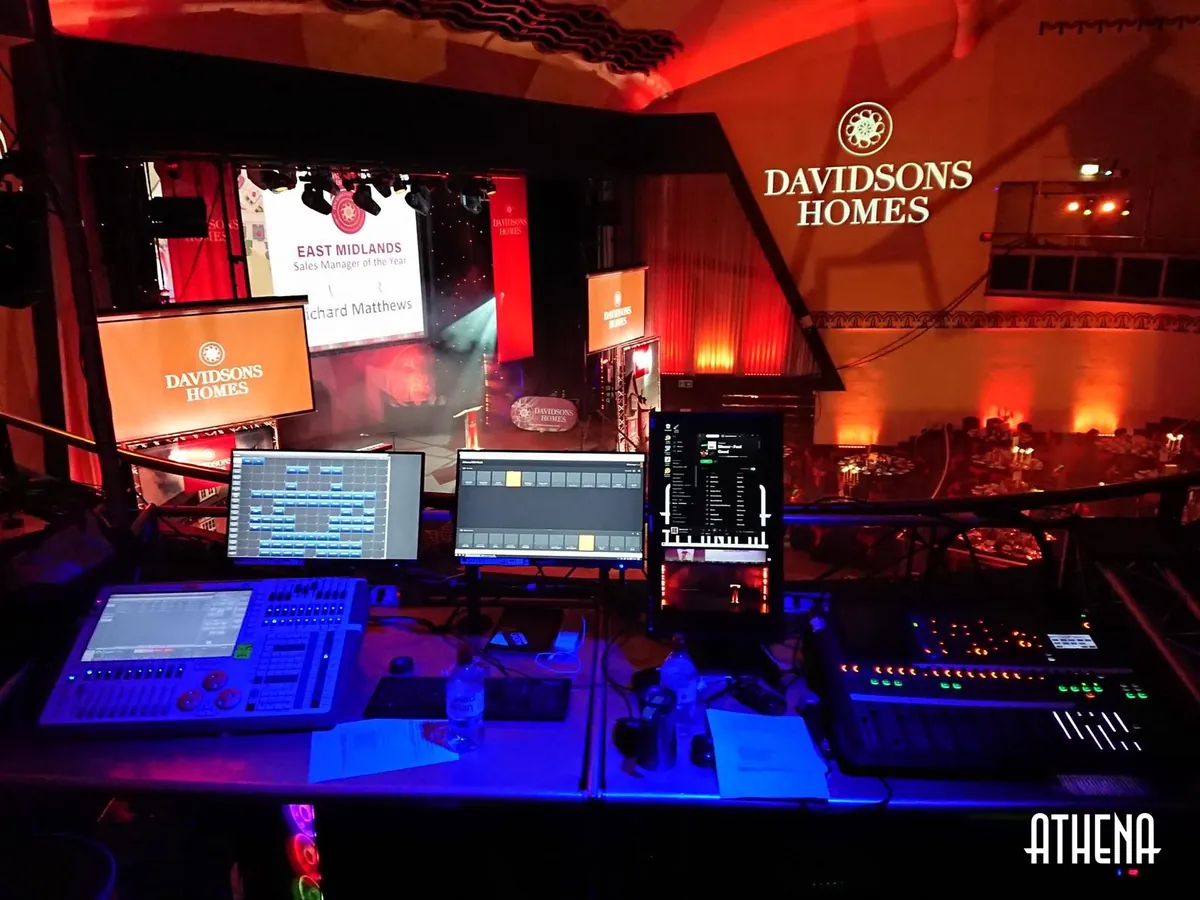
Ask the venue to confirm in writing:
- Standard equipment: Are microphones, projectors, screens, speakers, and clickers included?
- Additional costs: What equipment or services are charged separately?
- Technical support: Will a technician be present throughout the event or only during setup?
- Backup plan: What happens if equipment fails during a session?
- Pre-event testing: Can you test your presentations and equipment before delegates arrive?
For a large conference, on-site technical support can help resolve issues without disrupting sessions. Confirm the equipment, costs, support hours, and backup arrangements before signing the contract.
8. Wi-Fi Bandwidth & Hybrid Capability
For a modern conference, “free Wi-Fi” isn’t enough. Ask the venue about its guaranteed bandwidth and whether the network can handle hundreds of delegates using multiple devices while sessions are being streamed.
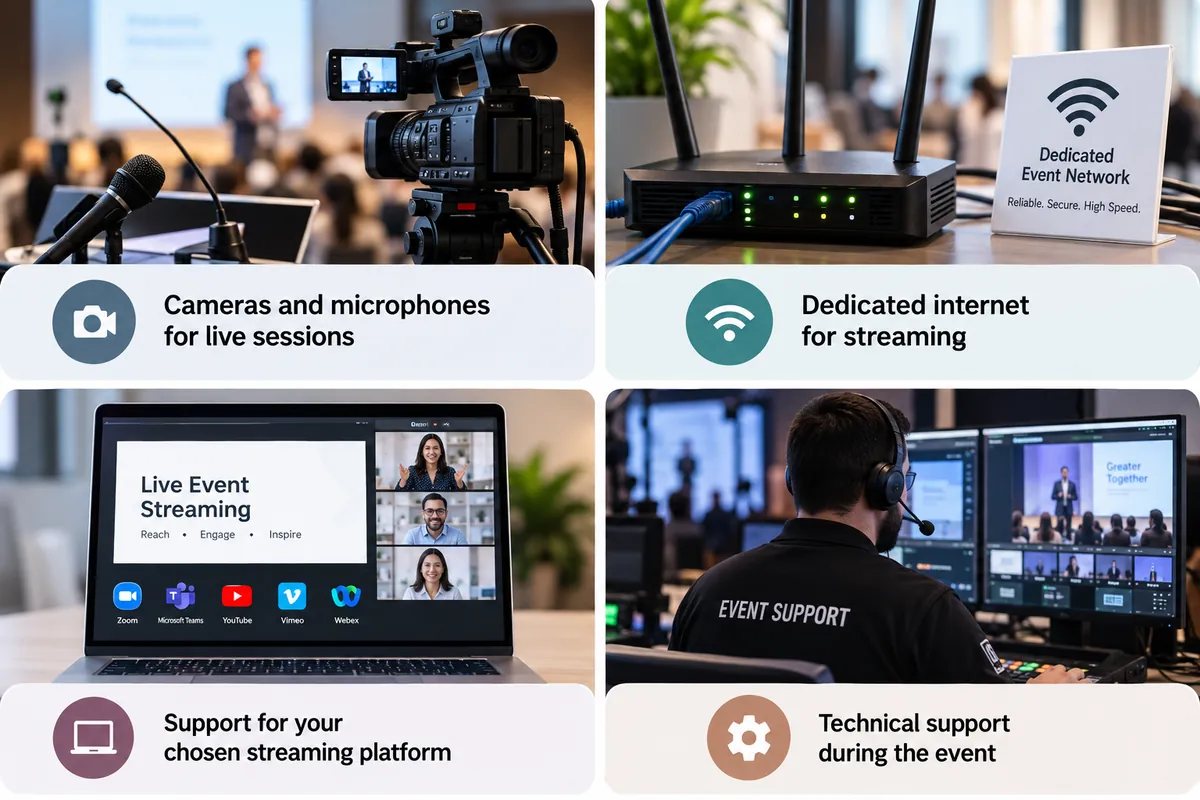
If you’re hosting a hybrid event, check whether the venue can support the additional load from remote attendees and live streaming. Ask whether it provides dedicated hybrid-event infrastructure, such as:
- Cameras and microphones for live sessions
- Dedicated internet for streaming
- Support for your chosen streaming platform
- Technical support during the event
Also confirm whether the bandwidth is dedicated to your event or shared with other events taking place at the venue. Get the expected bandwidth, usage limits, and technical provisions confirmed before booking. For hybrid conferences, this can be a dealbreaker, so it shouldn’t be left until the event day.
9. Catering & Dietary Flexibility
Check whether the venue provides in-house catering or allows external caterers, and understand any restrictions or additional charges. Dietary requirements also need more than a vegetarian option. Ask how the venue handles allergens, food labelling, and cross-contamination to ensure suitable meals can be served safely.

Finally, check how flexible the catering schedule is. If a session runs over, can lunch or refreshments be delayed without disrupting the service? Confirm menus, dietary arrangements, timings, and any external catering rules before booking.
10. On-Site or Nearby Accommodation
For multi-day conferences, accommodation can have a direct impact on delegate convenience and attendance across the full programme. Check whether the venue has its own rooms or has partnerships with nearby hotels that offer negotiated rates for event attendees.
If accommodation is off-site, consider how far delegates will need to travel back after evening dinners, networking sessions, or late finishes. A hotel within walking distance can be more convenient than relying on taxis or additional transport.
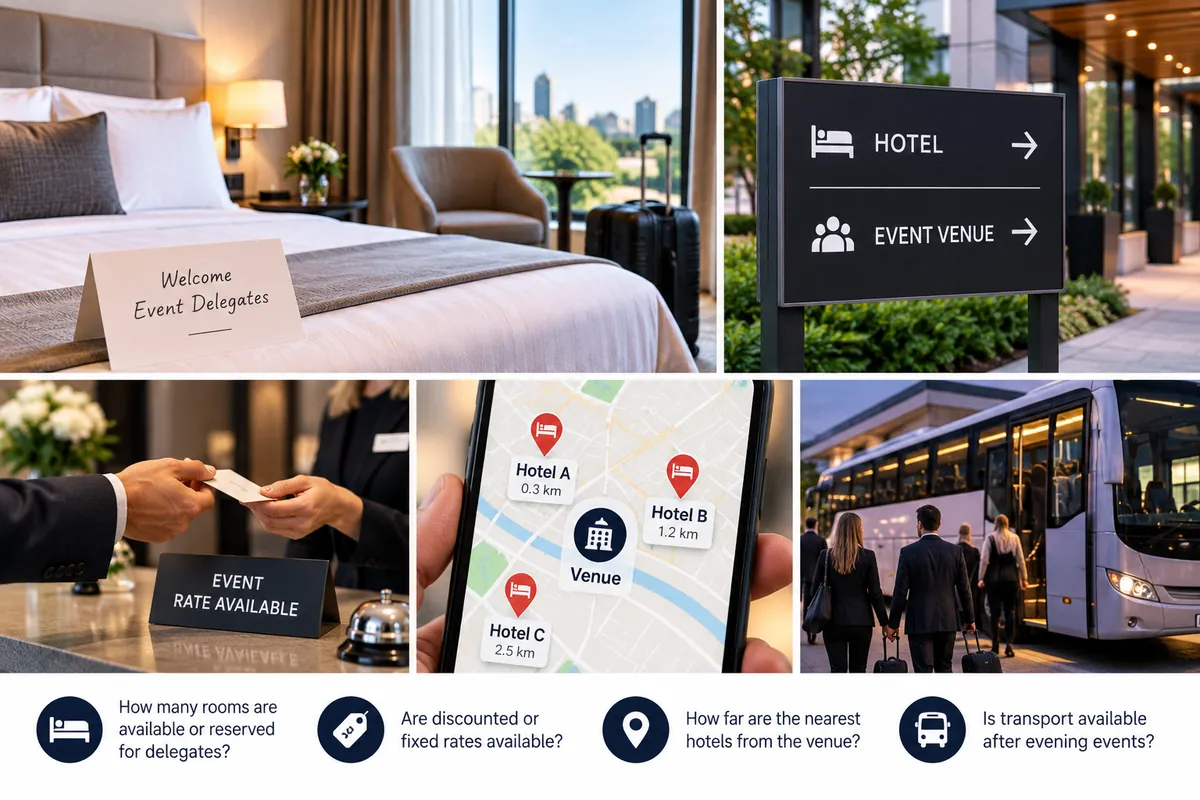
Also check:
- How many rooms are available or reserved for delegates?
- Are discounted or fixed rates available?
- How far are the nearest hotels from the venue?
- Is transport available after evening events?
11. Budget & Hidden Costs
A venue’s day rate rarely reflects the full cost of your conference. Ask for an itemised quote that separates venue hire from additional charges. Common hidden costs include:
- Corkage fees for external drinks
- AV equipment and technical support
- Staff overtime for early setup or late finishes
- Cleaning fees
- Catering minimums or charges if final numbers fall below the agreed amount
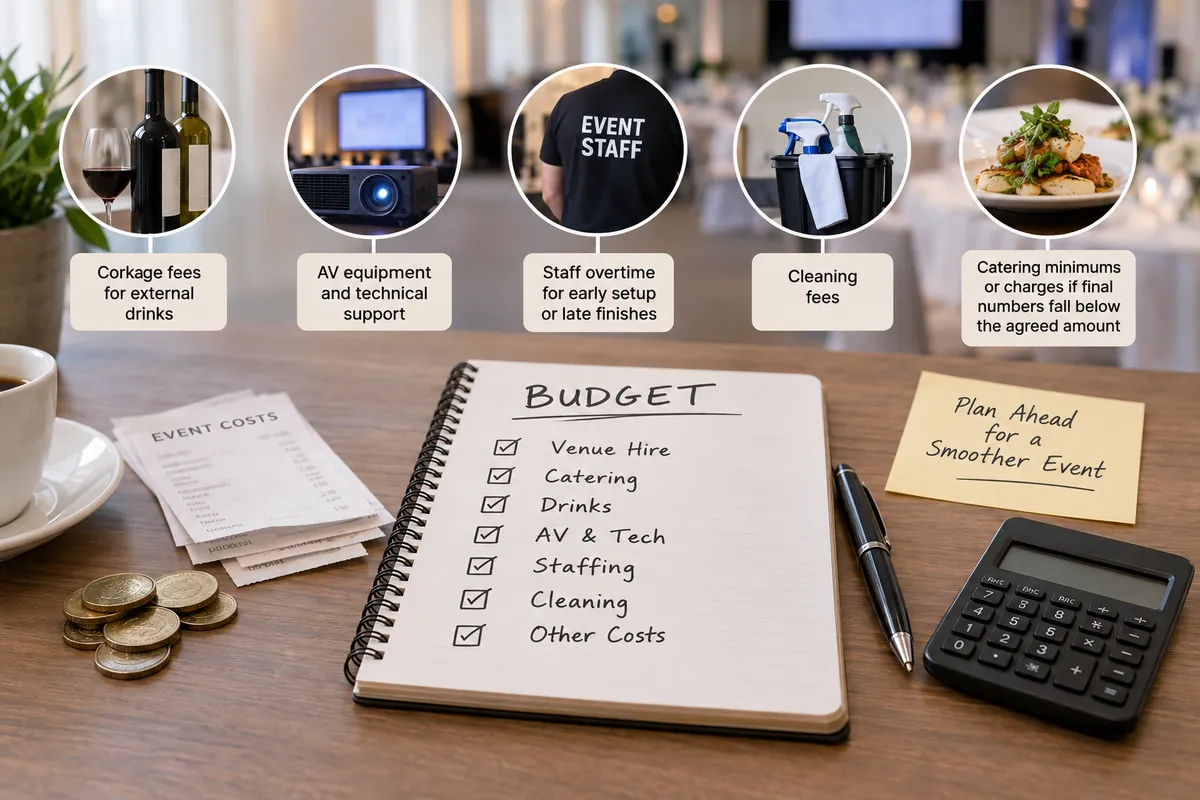
Also check whether setup, breakdown, furniture, security, or room changes carry extra fees. Before booking, compare the total estimated cost, not just the headline day rate.
12. Cancellation & Rescheduling Terms
Plans can change, so check the venue’s cancellation and rescheduling terms before signing the contract. Look at the required notice periods and whether deposits are refundable or forfeited at different stages.
Also check whether the force majeure clause covers situations such as extreme weather, public transport strikes, or other events outside your control.
Key points to confirm include:
- Cancellation notice periods
- Deposit forfeiture or cancellation fees at each stage
- Rescheduling options and associated costs
- Force majeure provisions and what events they cover
Read the cancellation clause before signing, not after a problem arises. Getting clarity upfront can help you understand your financial exposure if plans change.
13. On-Site Event Coordinator Support
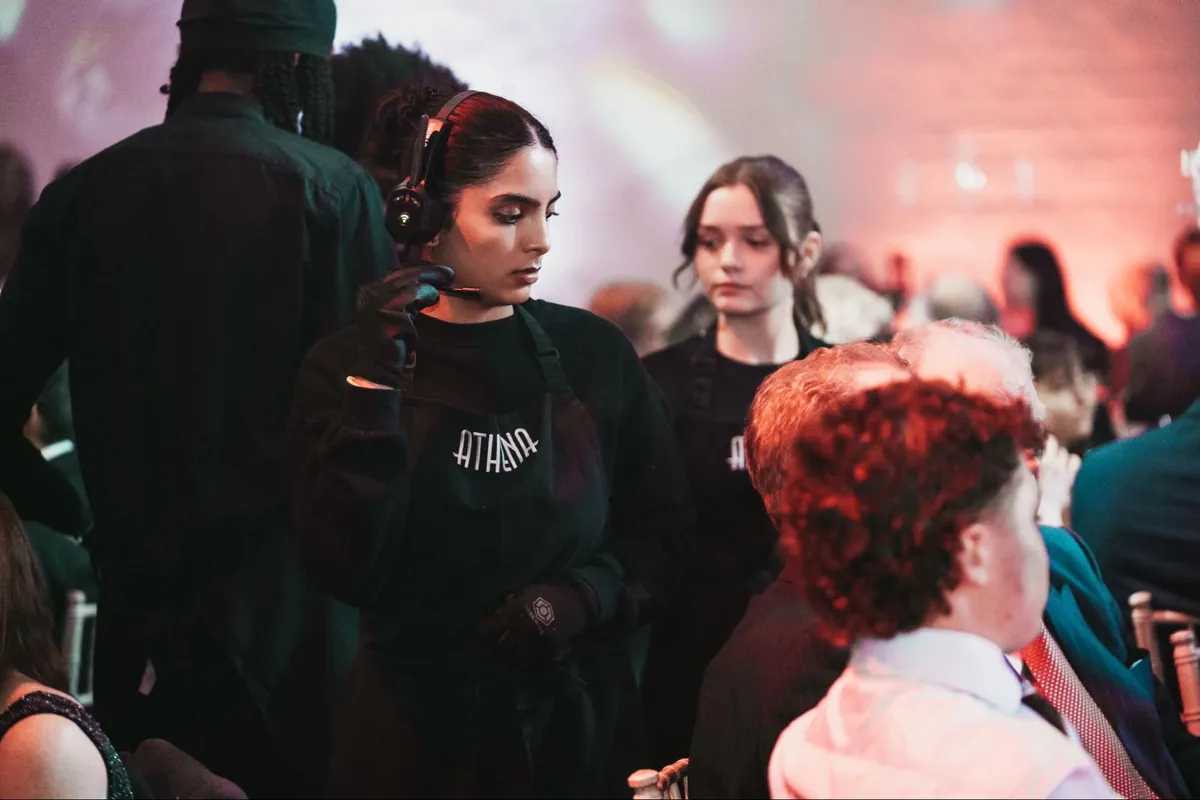
Find out whether the venue provides a dedicated event coordinator on the day or simply hands over the space and leaves your team to manage the logistics.
A dedicated coordinator can help oversee room setups, supplier access, timings, AV coordination, catering, and any last-minute issues during the event. This can make a significant difference when several elements need to run simultaneously.
Before booking, ask:
- Will a dedicated coordinator be present throughout the event?
- What responsibilities will they handle?
- Will they coordinate with external suppliers and technical teams?
- Who will be your point of contact if an issue arises?
14. Security & First-Aid Provisions
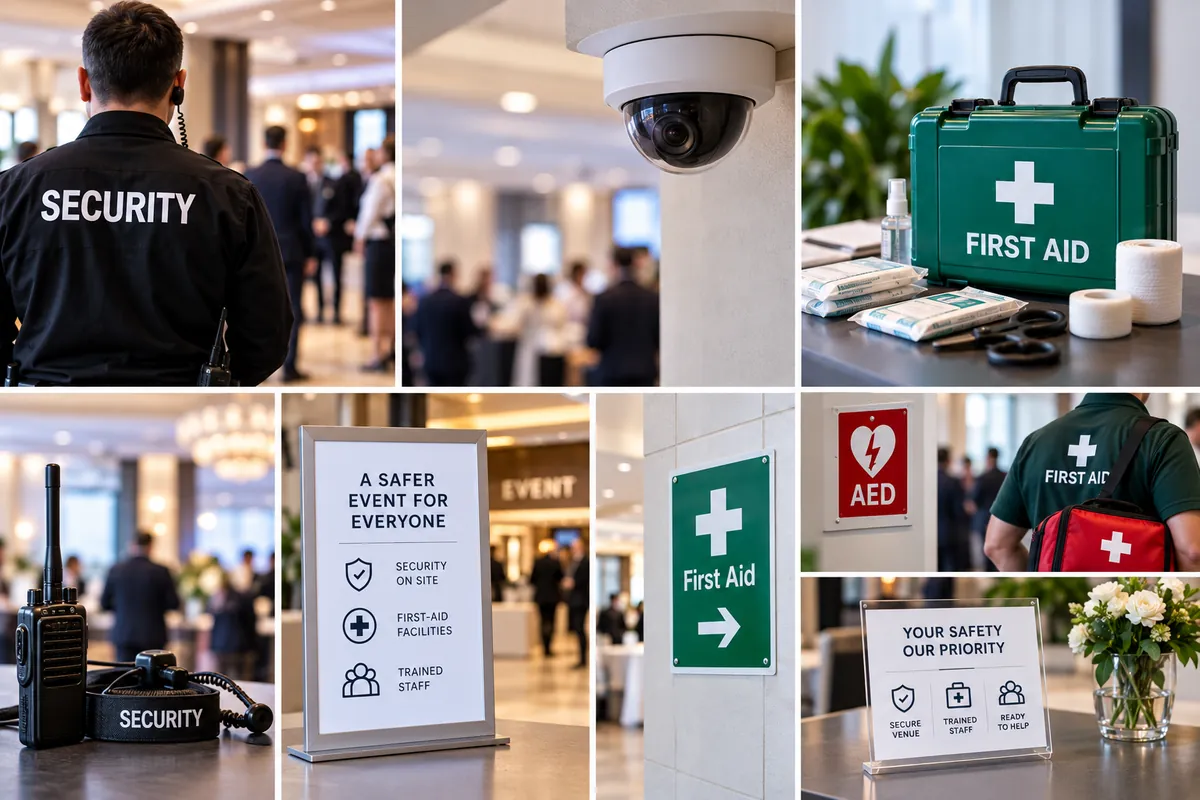
For larger conferences, check whether the venue has on-site security staff, first-aid trained personnel, and clear evacuation procedures. Ask who is responsible for managing emergencies, where first-aid facilities are located, and how evacuation would be handled if needed. These provisions become particularly important when hundreds of delegates are attending, so confirm them before booking.
15. Sustainability Credentials
Sustainability is increasingly relevant to sponsors and delegates, so look beyond general environmental claims. Check the venue’s approach to energy efficiency, waste and recycling, catering sourcing, and food waste, as well as any recognised certifications such as ISO 20121.
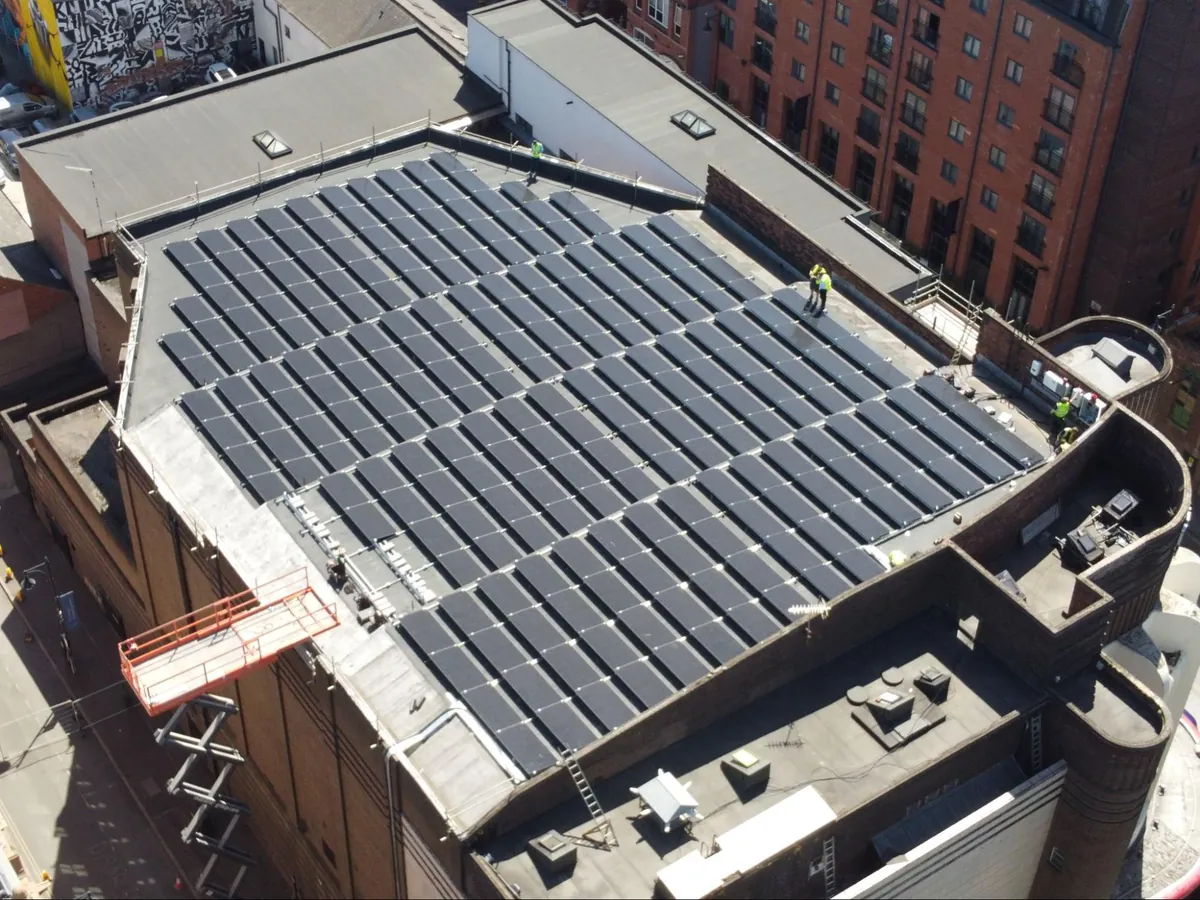
If sustainability is part of your event requirements, ask for specific policies or evidence rather than relying on a general statement. This helps you assess whether the venue’s practices genuinely align with your event goals.
Common Venue-Booking Mistakes to Avoid
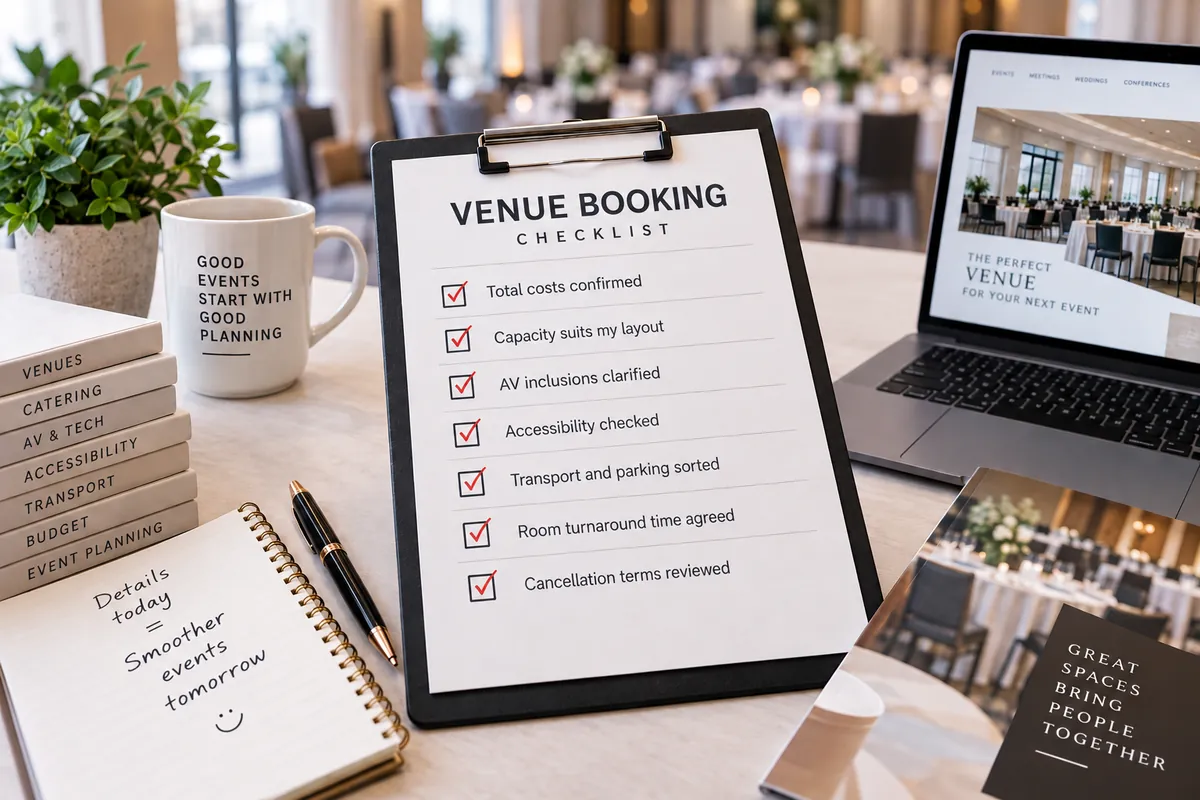
Even after checking the main venue requirements, a few common mistakes can lead to unexpected costs or problems later. Watch out for these before signing:
- Choosing on price alone: A low day rate may exclude AV, staffing, cleaning, corkage, or catering charges. Compare the total estimated cost, not just the headline venue hire.
- Relying on maximum capacity: Advertised capacity may be based on tightly packed seating. Check the comfortable capacity for your chosen layout, including space for staging, AV, catering, and delegate movement.
- Not confirming AV inclusions: “AV included” can mean different things between venues. Confirm the equipment provided, additional charges, technical support, and backup arrangements in writing.
- Leaving accessibility checks too late: Confirm step-free access, lifts, accessible toilets, hearing loops, and other requirements before signing rather than discovering gaps on the event day.
- Ignoring transport and parking: Check parking capacity and costs, public transport links, last services, and taxi availability so delegates aren’t left with limited options after the event.
- Underestimating room turnaround time: If your event needs multiple layouts, check how long each changeover takes and who handles it. Long resets can reduce programme time or add staffing costs.
- Not reading cancellation terms: Check notice periods, deposit forfeiture, rescheduling charges, and force majeure provisions before signing, not when you need to change your plans.
Final Thoughts
Choosing a conference venue involves more than finding the right space. Capacity, accessibility, AV, catering, transport, support, and sustainability all need to work together to deliver a smooth event.
At Athena Events Venue, we have been hosting events for over two decades, combining a rich venue history with versatile spaces and sustainable practices in the heart of the Midlands. We cater to a wide range of corporate events and have welcomed organisations including Triumph, Amazon, Krispy Kreme, O2, and many more.
If you’re looking for a versatile, sustainable conference venue in the Midlands, talk to our team today about your next event.